How to Collect a Faecal Sample From Your Dog or Cat
Verified by: Luisa Kumeta
Published on: 25 September 2026
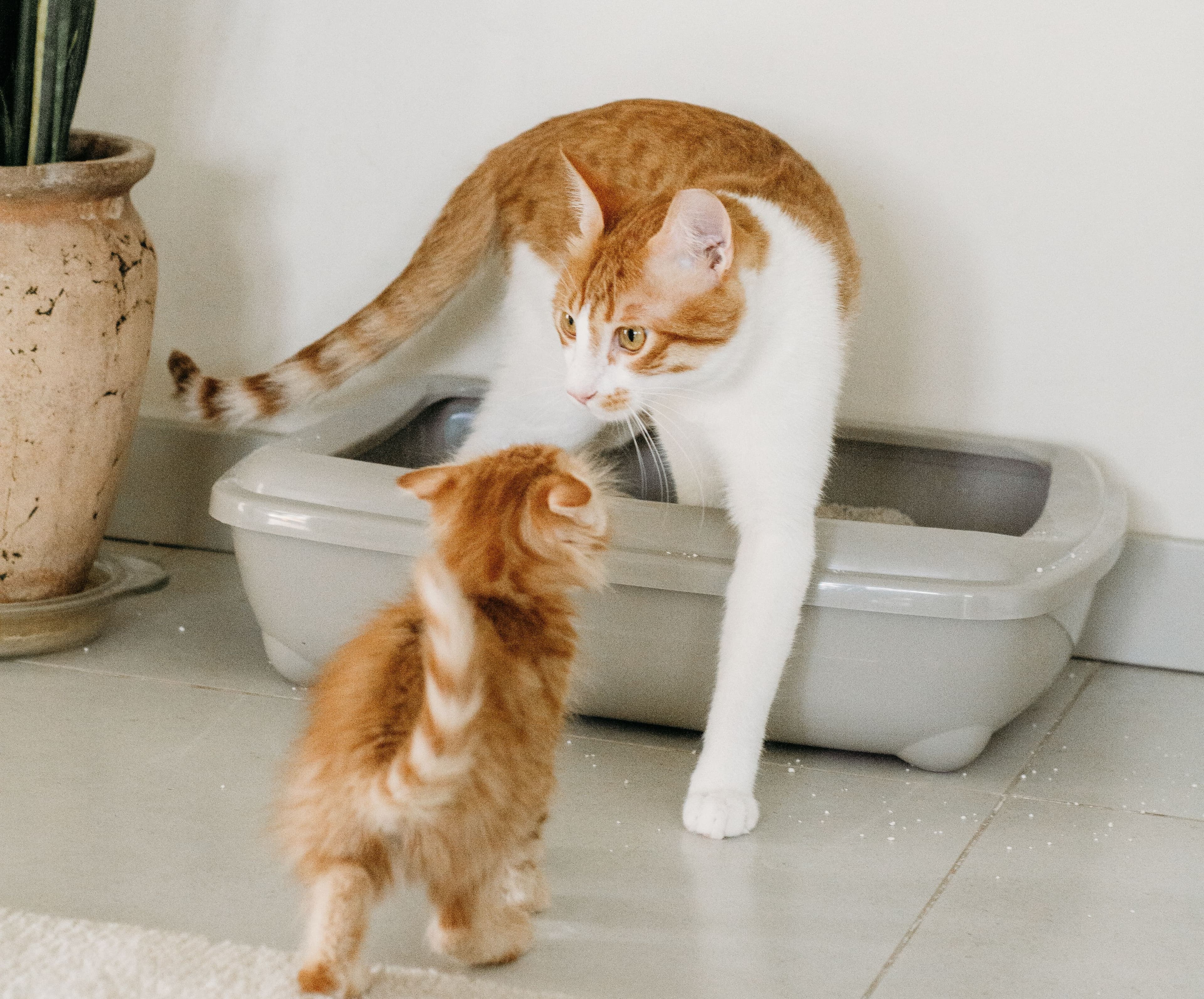
Nobody loves collecting poo, but a faecal sample can tell your vet a lot about your pet's health. If you've been asked for a 3-day pooled sample, this guide explains why, how to collect and store it and what your vet will do with it.
Why has my vet asked for a 3-day pooled faecal sample?
Testing your pet's poo helps your vet investigate tummy and gut problems, such as:
- Diarrhoea that has come on suddenly, lasted a long time or keeps coming and going
- Mucus or blood in their poo
- Unexplained weight loss
Why 3 days instead of 1?
Many gut parasites and bacteria are shed on and off, so they won't always show up in a single sample. Collecting a small amount on 3 days in a row and combining it into one sample gives your vet a much better chance of finding parasites or an infection.
Bringing a complete sample to your practice also means testing can start sooner.
Quick guide: how much and how often
| Dogs and cats | |
|---|---|
| Amount per day | Around 1 teaspoon |
| How often | Once a day for 3 days in a row |
| Storage between collections | In the fridge, between 2 and 8°C |
| When to drop it off | As soon as possible after the Day 3 sample (call your practice first) |
How to collect a faecal sample from your dog
What you'll need
- A clean, dry container. A sterile sample pot from your vet is best, but a household container such as a Tupperware works too, as long as it has been thoroughly washed and sterilised with boiling water.
- Gloves (optional but recommended)
Step by step
- Collect it fresh. Pick up a small amount of poo (around 1 teaspoon) straight after your dog has been.
- Keep it clean. Try to avoid picking up soil, grass or other debris with the sample.
- Add it to the pot. Place each day's sample into the same container, unless your vet has asked you to use separate labelled pots.
- Repeat for 3 days. Collect once a day for 3 days in a row.
- Wash your hands. Wear gloves or wash your hands thoroughly before and after handling the sample.
How to collect a faecal sample from your cat
What you'll need
- A sterile sample pot
- A clean plastic spoon or scoop
- Gloves (optional but recommended)
Step by step
- Check the litter tray. Collect a small amount of poo (around 1 teaspoon) from the tray.
- Remove the litter. Brush off as much litter as you can from around the poo.
- Transfer it to the pot. Use a clean plastic spoon or scoop to put the sample into a sterile sample pot.
- Repeat for 3 days. Collect once a day for 3 days in a row.
- Wash your hands. Wear gloves or wash your hands thoroughly before and after handling the sample.
How to store a faecal sample
- Seal it. Close the pot tightly with an airtight lid to prevent leaks and smells.
- Bag it. Put the pot inside a sealed plastic bag for extra safety and hygiene.
- Label it. Write your pet's name, your surname and the dates and times of each collection on the container.
- Keep it cool. Store the sample in the fridge (between 2 and 8°C) between collections until you have all 3 days.
- Call ahead. Once you've collected the Day 3 sample, phone your vet practice to check how they'd like you to drop it off, then get it to them as soon as possible.
What tests might my vet do?
| Test | What it looks for |
|---|---|
| Faecal flotation and microscopy | Parasites, by examining the poo under a microscope |
| Rapid antigen tests | Specific parasite or virus proteins, either in the practice or at an external lab |
| Faecal PCR panel | A wide range of parasites and bacteria, screened at a lab |
| Bacterial culture and sensitivity | Harmful bacteria and the best treatment, if an infection or bacterial overgrowth is suspected |
What happens next?
Once the results are in, your vet will explain what they mean. Depending on the findings, next steps could include:
- Further testing such as blood tests, imaging or another faecal sample
- Medication, although this is only appropriate in some cases
- Parasite treatment, if needed
- Diet changes or a diet trial, if needed
- Supplements or probiotics, if needed
Not sure if it's serious?
That's exactly what we're here for. Send us a video of your pet, any time of day or night, and one of our vets will get back to you within minutes with clear next steps, whether that's home care or a same-day appointment with your practice.