Blood Tests for Dogs and Cats: What to Expect
Verified by: Luisa Kumeta
Published on: 25 September 2026
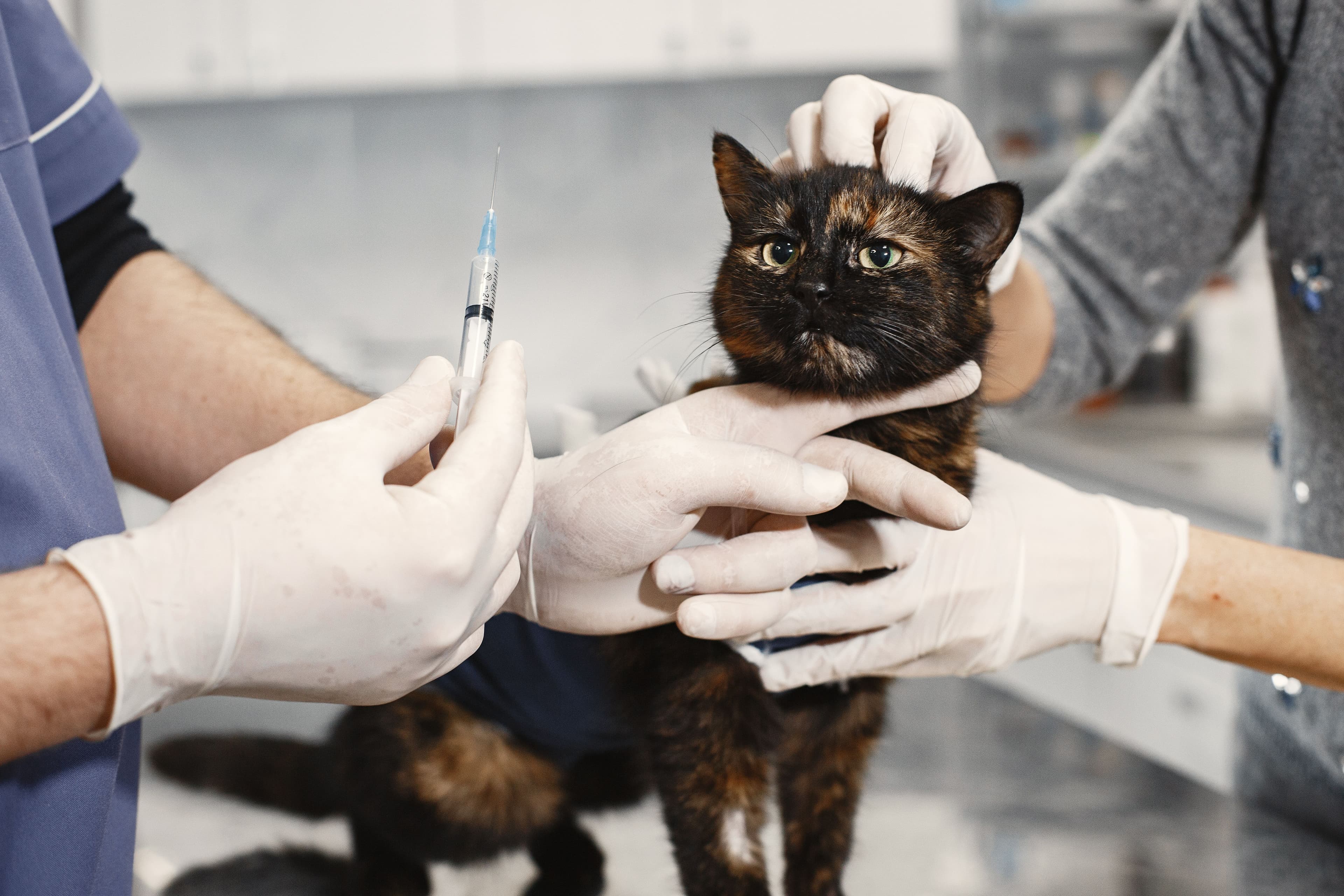
Blood tests are one of the most useful tools your vet has for understanding what's going on inside your pet. If your vet has recommended one for your dog or cat, this guide explains why, how to prepare, what happens on the day and what the results can show.
Why has my vet recommended a blood test?
A blood test lets your vet check how your pet's internal organs are working, along with their blood cell counts and electrolyte and hormone levels. This helps them investigate symptoms and diagnose medical conditions.
Blood tests can pick up changes in your pet's metabolism, organs or blood that can't be found during a physical examination alone. Your vet might recommend one to:
- Reach an accurate diagnosis
- Monitor an ongoing health condition
- Make sure it's safe for your pet to have an anaesthetic or treatment
How to prepare your dog for a blood test
- Withhold food if your vet asks you to. You may be told not to feed your dog for 6 to 12 hours before the appointment, as a recent meal can affect the results.
- Keep water available. Make sure your dog has access to fresh water unless your vet has specifically told you otherwise.
- Go for a walk before you arrive. This helps your dog feel comfortable and relaxed during their visit.
- Check about medication. If your dog takes any medication, ask your vet whether you should give it before the test and when.
How to prepare your cat for a blood test
- Withhold food if your vet asks you to. You may be told not to feed your cat for 6 to 12 hours before the appointment, as a recent meal can affect the results.
- Keep water available. Make sure your cat has access to fresh water unless your vet has specifically told you otherwise.
- Keep your cat indoors the night before. This stops them finding food outside.
- Make the journey as calm as possible. Use a secure, comfortable carrier lined with familiar bedding to help keep stress to a minimum.
- Check about medication. If your cat takes any medication, ask your vet whether you should give it before the test and when.
What happens during a blood test?
- Preparing the area. A small patch of fur over a vein, usually on the neck or a leg, may be clipped and cleaned.
- Taking the sample. A vet or veterinary nurse will gently hold your pet while a small needle is inserted into the vein to collect some blood.
- All done. The whole thing only takes a few minutes and most pets cope really well with gentle handling.
If your pet is particularly nervous or sensitive, your vet may suggest extra measures, medication or sedation so the sample can be taken safely and without stress.
What blood tests might my vet do?
| Test | What it checks |
|---|---|
| Haematology (complete blood count or CBC) | Red blood cells, white blood cells and platelets, to look for anaemia, infection, inflammation or clotting problems. |
| Biochemistry | How organs such as the liver, kidneys and pancreas are working, plus blood sugar, proteins and electrolytes. |
| Endocrine (hormone) testing | Hormone levels, to test for conditions such as an underactive thyroid (hypothyroidism), an overactive thyroid (hyperthyroidism) or Cushing's disease. |
| Infectious disease screening | Specific infections or antibodies, such as feline leukaemia virus (FeLV) and feline immunodeficiency virus (FIV) in cats or lungworm and diseases spread by ticks and other parasites in dogs. |
What happens next?
Results and discussion
Many routine blood tests can be run in the practice, with results available the same day. Tests sent to an external lab may take a little longer. Either way, your vet will go through the results with you.
Further testing
Depending on the results, your vet may recommend urine or faecal tests, imaging such as X-rays or ultrasound, a biopsy or more specialised blood tests.
Treatment plan
Your pet may need medication, fluid therapy, surgery or another type of treatment depending on what the results show.
Follow-up monitoring
Your vet may book repeat blood tests or recheck appointments to see how your pet is responding to treatment and keep an eye on any ongoing condition.
Not sure if it's serious?
That's exactly what we're here for. Send us a video of your pet, any time of day or night, and one of our vets will get back to you within minutes with clear next steps, whether that's home care or a same-day appointment with your practice.