Author: Dr. Claud
Verified by: Dr. Luisa
Published on: 3 Aug 2026
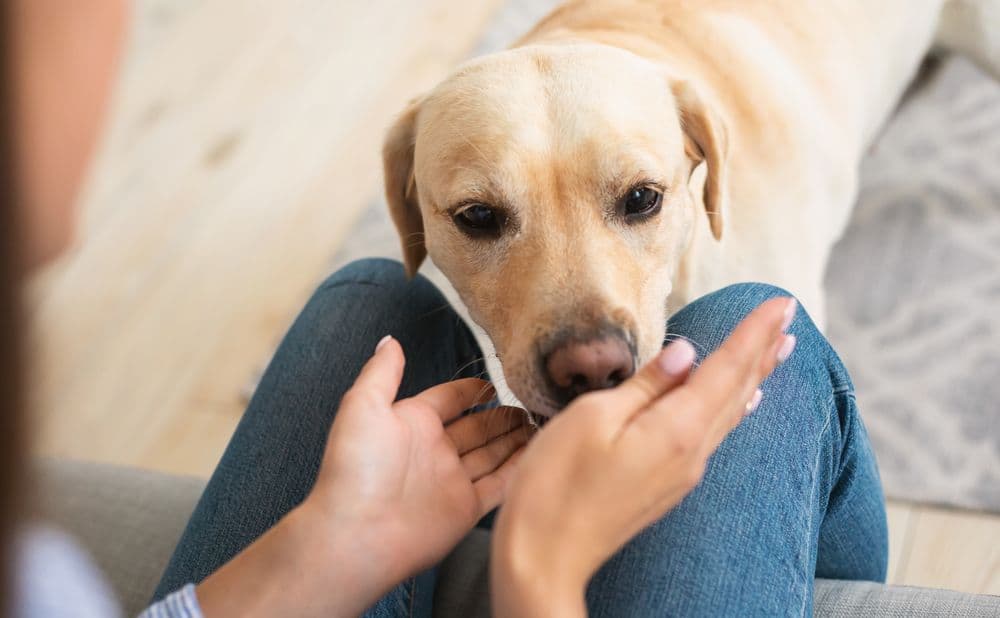
We’ve all been there...
It happens to almost every dog owner at some point. You turn your back for thirty seconds and your dog has eaten something they definitely shouldn't have. Before you panic, take a breath. What you do in the next few minutes matters, and the first step is the same regardless of what they ate: stay calm, find out exactly what it was, and note how much.
Some things are genuinely urgent. Grapes, raisins, xylitol (found in some peanut butters and chewing gum), chocolate, and certain medications need veterinary attention quickly. Others, like a stolen piece of bread or a rummage through the recycling, are unlikely to cause real harm but still worth checking.The golden rule is this: if you're not sure, ask.
Don't wait to see if symptoms appear with something potentially toxic. Ask a Vet with VidiVet who can tell you within minutes whether your dog needs to be seen today, needs monitoring at home, or whether you can breathe out entirely. That's exactly what VidiVet is here for.
1. Why do dogs eat things they shouldn't?
Dogs explore the world with their mouths, so it's natural for them to pick up things that aren't food. Common reasons include:
- Curiosity – puppies especially will chew and swallow new objects to investigate them
- Boredom – a dog left without enough exercise or mental stimulation may chew things for entertainment
- Scavenging instinct – dogs are natural scavengers and will eat food scraps, rubbish, or items that smell interesting
- Attention-seeking – if chewing something got a big reaction from you before, your dog may repeat it
- Nutrient deficiency – in rare cases, eating unusual items (called "pica") can be linked to an underlying health issue, so it's worth mentioning to your vet if it happens often.
2. Does this mean my dog is unwell?
Not necessarily. Many dogs eat something odd and are completely fine. However, it's important to watch for signs that something has gone wrong. Symptoms can appear straight away or may take a day or two to show up, depending on what was eaten.
Watch out for:
- Vomiting or repeated retching
- Diarrhoea, especially if it contains blood
- Drooling more than usual
- Loss of appetite
- Lethargy or unusual tiredness
- Restlessness, pacing, or an inability to settle
- Straining to go to the toilet, or no bowel movements at all
- Swollen or painful abdomen
- Coughing, gagging, or difficulty breathing
- Wobbliness, tremors, or seizures
- Pale gums
If you see any of these signs, contact your vet straight away, even if you're not sure they're connected to what your dog ate. If you are not sure Ask a Vet with VidiVet who can tell you within minutes whether your dog needs to be seen today, needs monitoring at home, or whether you can breathe out entirely. That's exactly what VidiVet is here for.
3. What can I do if my dog has eaten something it shouldn't?
Try to stay calm and work through these steps in order.
Step 1: Stop your dog eating any more of it Move your dog away from the item or area straight away.
Step 2: Work out what they've eaten Try to identify:
- What the item or substance was (take a picture)
- Roughly how much they ate
- When they ate it
- Your dog's weight (this helps the vet judge the risk)
If there's packaging, a label, or a sample of the item, keep it to show the vet.
Step 3: Check if it's known to be dangerous Some common items and foods are toxic to dogs, including:
- Chocolate, grapes, raisins, onions, and garlic
- Xylitol (a sweetener found in some sugar-free gum, peanut butter, and baked goods)
- Human medicines (such as ibuprofen or paracetamol)
- Rat or mouse poison
- Certain plants, including lilies and daffodil bulbs
- Alcohol and raw bread dough
Step 4: Ask a Vet with VidiVet who can tell you within minutes whether your dog needs to be seen today, needs monitoring at home, or whether you can breathe out entirely. Or contact your vet or an emergency vet line, even if your dog seems fine. Give them the details from Step 2. They'll tell you whether you need to come in and what to do in the meantime.
Step 5: Do not try to make your dog vomit yourself. This should only be done if a vet specifically tells you to and explains how. Some substances or objects cause more damage coming back up, and home remedies like hydrogen peroxide can harm your dog's throat and stomach.
Step 6: Follow your vet's instructions Depending on what was eaten, they may ask you to monitor your dog at home, bring them in for an examination, or come in immediately.
4. When should I go to a vet?
Contact a vet immediately, rather than waiting to see how your dog gets on, if any of the following apply:
- Your dog has eaten something known to be toxic (see the list in Step 3)
- Your dog has swallowed something sharp, such as a bone, glass, or a needle
- Your dog has swallowed something that could block their gut, such as a sock, toy, or corn cob
- Your dog is showing any of the warning signs listed in Section 2
- You're simply not sure, and you're worried
Most vets and emergency vet services can advise you over the phone on whether you need to come in straight away. It's always safer to call than to wait.
5. Still unsure?
If you're ever in doubt, the safest option is always to seek advice from a qualified vet. Ask a Vet with VidiVet who can tell you within minutes whether your dog needs to be seen today, needs monitoring at home, or whether you can breathe out entirely. A vet would much rather you ring with a false alarm than not call at all when something was seriously wrong. If your practice gives you free access to VidiVet, we encourage you to sign up today and have the VidiVet app downloaded on your phone - just in case. Keep your vet's number, and your local emergency vet's number, saved in your phone so you're not searching for them in a panic.
- PDSA Pet Health Hub
Guidance on what to do if your dog eats something harmful.
- Animal PoisonLine (UK)
A 24-hour phone advice service for suspected poisoning, run by the Veterinary Poisons Information Service. Note this is a paid service: £35 per case from 8am to 8pm Monday to Friday, and £45 at all other times, including bank holidays, payable by card at the time of the call.
Not sure if it's serious?
That's exactly what we're here for. Send us a video of your cat, any time of day or night, and one of our vets will get back to you within minutes with clear next steps, whether that's home care or a same-day appointment with your practice.